
Arbat Street: Moscow’s Artistic Pulse and Historic Heartbeat
Have you ever wandered down a street that just feels alive, a place where every cobblestone whispers tales of centuries past, and every corner offers a new surprise? If you’re yearning for such an experience in Moscow, then look no further than Arbat Street. This isn’t just any thoroughfare; it’s one of the oldest surviving streets in the Russian capital, a pedestrian paradise that has served as an artistic muse, a political stage, and a vibrant marketplace for generations. Forget the bustling, grand avenues for a moment – Arbat offers a more intimate, soulful glimpse into Moscow’s character.
More Than Just a Walk: A Journey Through Moscow’s Soul
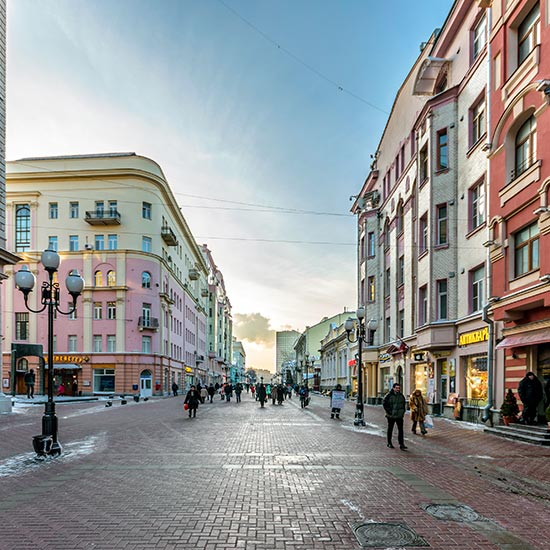
Arbat Street is a cultural phenomenon, a living museum, and a dynamic public space all rolled into one. It’s where poets penned their verses, artists found their inspiration, and ordinary Muscovites have strolled, debated, and fallen in love for hundreds of years. Walking its length is less about reaching a destination and more about immersing yourself in the atmosphere, soaking in the history, and enjoying the vibrant tapestry of street life. It’s a place where you truly feel connected to the heart of Moscow, past and present.
A Quick Overview of Arbat’s Unique Charm
- Location: Central Moscow, a short walk from the Kremlin and Red Square.
- Type: A vibrant pedestrian street, approximately 1.2 kilometers (0.75 miles) long.
- Historical Significance: One of Moscow’s oldest surviving streets, dating back to at least the 15th century.
- Cultural Icon: Associated with famous Russian poets, writers, and artists.
- Modern-Day Appeal: Bustling with street performers, artists, souvenir shops, cafes, and historic architecture.
This blend of ancient roots and contemporary vibrancy is what makes Arbat Street so captivating. It’s a place that continually reinvents itself while proudly holding onto its heritage.
Echoes of History: From Trade Route to Cultural Icon
To truly appreciate Arbat, you need to understand its long and fascinating journey through time. It started as a functional part of the city and evolved into a beloved cultural landmark.
Medieval Origins: Artisans and Archery
The first recorded mention of Arbat dates back to 1493, referring to it as the “Arbat Road.” Its name is believed to come from the Arabic word “rabat,” meaning “suburb,” indicating its location outside the Kremlin walls. In medieval times, Arbat was a bustling trade route and a settlement for various craftsmen. Imagine blacksmiths, potters, and weavers working in their shops, their skills essential to the growing city. It was also home to the royal archery regiment, giving the area a somewhat martial, yet artisan, character.
The Fire of 1812 and Subsequent Rebirth
Like much of Moscow, Arbat suffered immensely during the Great Fire of 1812, which swept through the city during Napoleon’s invasion. Most of the wooden buildings were destroyed. However, this destruction paved the way for a grand rebirth. In the post-fire reconstruction, Arbat was rebuilt with stone and brick mansions, becoming a fashionable residential area for the Russian aristocracy and intelligentsia. This transformation cemented its status as an elegant and prestigious address.
Literary Legends: Pushkin, Tolstoy, and the Golden Age
The 19th and early 20th centuries were Arbat’s “Golden Age,” particularly in literature. The street became a magnet for some of Russia’s most celebrated writers and poets. Alexander Pushkin, arguably Russia’s greatest poet, lived at Arbat 53 with his wife, Natalia Goncharova, after their wedding. Imagine him strolling these very streets, his mind already crafting the verses that would define Russian literature. Other literary giants like Leo Tolstoy and Anton Chekhov also had connections to the area, drawing inspiration from its unique atmosphere.
The “Arbat Children”: A New Generation of Artists
During the Soviet era, particularly in the mid-20th century, Arbat continued to be a hub for artists, musicians, and intellectuals, often defying official norms. They were affectionately known as the “Arbat children” – a generation of poets, bards, and bohemians who congregated on the street, sharing their art and ideas. This informal, rebellious spirit further cemented Arbat’s reputation as a place of creative freedom and counter-culture, a spirit that, in some ways, endures today.
Moscow’s Living Room: What You’ll Find on the Old Arbat
Today, the Old Arbat (Starry Arbat), the pedestrianized stretch, is a vibrant kaleidoscope of sights, sounds, and smells. It’s often described as Moscow’s living room – a comfortable, inviting space where everyone is welcome.
Street Performers and Artists: The Vibrant Core
One of the most defining characteristics of the Old Arbat is its continuous parade of street performers and artists. From morning till late evening, the air is filled with music, laughter, and the buzz of creative energy.
Musicians, Mimes, and Caricaturists: A Constant Spectacle
You’ll encounter talented musicians playing everything from traditional Russian folk songs to classical pieces and modern pop. There are silent mimes, living statues, and magicians who captivate passersby. And, of course, a multitude of caricaturists and portrait artists eager to sketch your likeness, often with humorous results. This constant, unscripted entertainment is what gives Arbat its unique, festive pulse. It’s impossible to walk its length without stopping to admire a performance or two.
Souvenirs and Crafts: Shopping for a Piece of Russia
If you’re looking for souvenirs, Arbat Street is a prime destination. The street is lined with shops and kiosks offering a vast array of Russian keepsakes, from the traditional to the quirky.
Matryoshkas, Amber, and Russian Lacquerware
Here you’ll find countless variations of matryoshka dolls (Russian nesting dolls), painted with everything from classic peasant girls to famous politicians. There’s beautiful Baltic amber jewelry, intricate Russian lacquerware boxes (often miniature paintings on black lacquer), and traditional folk crafts. It’s a treasure trove for gift-hunting, and a good place to practice your bargaining skills!
Cafes and Restaurants: A Taste of Moscow Life
All that walking and sightseeing is bound to build up an appetite, and Arbat has you covered. The street is dotted with cozy cafes and restaurants, perfect for a quick snack, a leisurely meal, or just a cup of coffee while people-watching.
From Traditional Russian to International Flavors
You can sample traditional Russian cuisine, from hearty borscht and pelmeni to blini with caviar, or choose from a range of international options. Many of the cafes have outdoor seating in warmer months, making them ideal spots to soak in the bustling atmosphere and watch the world go by. It’s a truly delightful way to experience Moscow’s culinary scene in a relaxed setting.
Statues, Museums, and Architectural Gems
Beyond the shops and performers, Arbat Street is also rich in historical landmarks and architectural beauty.
The Pushkin Apartment Museum: A Literary Shrine
One of the most significant sites is the Pushkin Apartment Museum at Arbat 53. This meticulously preserved apartment is where Alexander Pushkin lived briefly with his wife Natalia Goncharova after their wedding in 1831.
The Legacy of a National Poet
Visiting this museum is like stepping directly into the life of Russia’s national poet. You can see his personal belongings, furniture, and a recreation of the atmosphere of early 19th-century Moscow. It’s a powerful and intimate connection to a figure whose words shaped the very identity of the Russian language and culture.
The Monument to Bulat Okudzhava: A Bard’s Tribute
Another beloved literary figure associated with Arbat is Bulat Okudzhava. A famous Soviet bard, poet, and songwriter, Okudzhava’s songs often evoked the spirit and nostalgia of Arbat Street.
Connecting to Arbat’s Musical Soul
His bronze monument, depicting him as a humble figure sitting on a bench, is a popular spot for reflection. It’s a fitting tribute to a man whose music captured the essence of Arbat for a generation, and it reminds us of the street’s enduring musical soul.
Architectural Styles: A Walk Through Time
As you stroll down Arbat, pay attention to the buildings themselves. You’ll see a fascinating mix of architectural styles, primarily from the 19th and early 20th centuries. There are elegant neoclassical mansions, art nouveau facades with their distinctive curving lines, and some examples of constructivist architecture. Each building tells a story, contributing to the street’s unique visual character and its sense of being a living timeline.
Old vs. New: A Tale of Two Arbats
It’s important to distinguish between the “Old Arbat” (the pedestrian street we’ve been discussing) and the New Arbat (Novy Arbat). While they share a name and are geographically close, their characters are vastly different.
Soviet Modernism and Bustling Commercialism
The New Arbat, officially called Kalininsky Prospekt during the Soviet era, was constructed in the 1960s. It’s a wide, multi-lane avenue flanked by imposing modernist skyscrapers and bustling commercial centers. It was designed to showcase Soviet urban planning and power, with its wide pavements and large, often identical, high-rises.
Skyscrapers, Casinos, and a Different Energy
Today, the New Arbat is a major commercial hub, home to large department stores, restaurants, casinos (when they were permitted in Moscow), and business offices. Its energy is very different from the Old Arbat’s – it’s fast-paced, modern, and overtly commercial. Visiting both offers a striking contrast between Moscow’s historical and contemporary faces.
Making the Most of Your Arbat Visit
To fully experience Arbat, I recommend allowing yourself at least a couple of hours, if not a whole afternoon or evening.
Best Time to Visit and How to Get There
Arbat Street is wonderful to visit any time of year. In summer, the outdoor cafes and street performers create a lively, festive atmosphere. In winter, when it’s dusted with snow, it takes on a quiet, magical charm. Weekends and evenings are generally the busiest, with the most street artists and a bustling vibe.
Getting there is easy! The street is conveniently located near several Metro stations, including Arbatskaya (on the dark blue, light blue, and light green lines) and Smolenskaya (on the dark blue and light blue lines). Just exit the station, and you’ll find yourself immersed in its unique charm.
Arbat Street: Moscow’s Enduring Heartbeat
Arbat Street is a special place. It’s a testament to Moscow’s ability to evolve while honoring its past, to embrace modernity while clinging to its artistic soul. It’s a place where history feels accessible, where every turn of your head might reveal a new piece of art, a snippet of music, or a glimpse into Russian life. Whether you’re a history buff, an art enthusiast, or simply a curious traveler, Arbat will welcome you, enchant you, and leave you with a lasting impression of Moscow’s vibrant, multifaceted character. Don’t just visit Moscow; truly experience it by taking a long, leisurely stroll down the legendary Arbat.
Frequently Asked Questions About Arbat Street
1. Is Arbat Street the only pedestrian street in Moscow?
No, while Arbat Street is arguably the most famous and historic pedestrian street in Moscow, there are several other pedestrian zones and streets that have been created or revitalized in recent years, offering pleasant walking experiences. However, Arbat retains its unique character due to its historical significance and artistic atmosphere.
2. What type of souvenirs should I look for on Arbat Street?
Arbat is a great place to find traditional Russian souvenirs. Popular items include matryoshka dolls (Russian nesting dolls), amber jewelry, Russian lacquerware boxes, ushankas (fur hats), and traditional folk crafts. Be prepared for a wide range of prices and quality.
3. Is it safe to walk on Arbat Street at night?
Yes, Arbat Street is generally very safe to walk on at night. It’s a popular and well-lit area with many people around, even late in the evening, thanks to its numerous restaurants and cafes. Standard precautions for any busy tourist area (like being aware of pickpockets) are always advisable.
4. Are the street performers on Arbat Street free to watch?
Yes, watching the street performers on Arbat Street is generally free. However, it is customary and greatly appreciated to tip performers if you enjoy their act. They rely on these tips for their livelihood, so if you’ve been entertained, a small contribution is a nice gesture.
5. How far is Arbat Street from Red Square?
Arbat Street is quite close to Red Square and the Kremlin. It’s about a 15-20 minute walk from the western side of the Kremlin walls to the beginning of the Old Arbat. Alternatively, it’s just a couple of metro stops away.