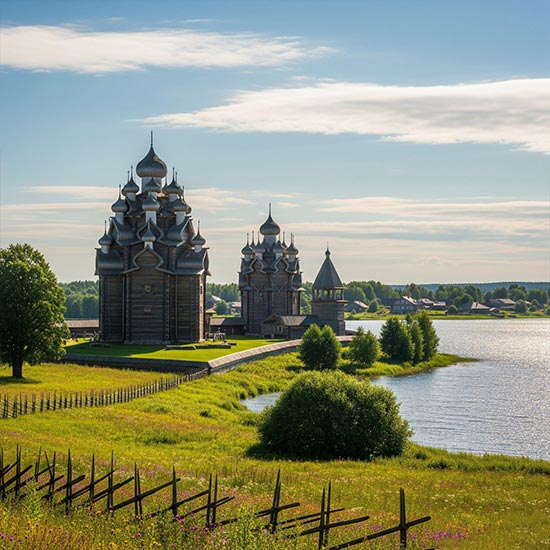


Suzdal: A Postcard from a Russian Fairytale
Have you ever wondered what it would be like to travel back in time, to a place where history isn’t just a collection of dusty artifacts but a living, breathing part of the landscape? Welcome to Suzdal, a city in Russia that feels less like a modern town and more like a perfectly preserved fairytale village. Nestled in the heart of the Golden Ring, this gem of a city is a must-visit for anyone who wants to see the soul of old Russia. With its shimmering onion domes, tranquil monasteries, and endless fields, Suzdal offers a journey not just across miles, but across centuries.
Why Suzdal Is More Than Just a Museum
While Suzdal is often referred to as a “museum city,” that label doesn’t do it justice. A museum is a static place, but Suzdal is alive. It’s a place where the air smells of freshly cut hay and wood smoke, where the bells from ancient cathedrals chime across the landscape, and where the gentle curve of a river guides your way. It’s a place where you can wander through medieval streets, visit a market selling local crafts and produce, and stay in a guesthouse that feels like a family home. Suzdal is an immersive experience, a chance to not just see history, but to feel it, touch it, and live it for a few peaceful days.
A Quick Glimpse into Suzdal’s Storied Past
Suzdal’s history is as rich as the embroidered fabrics sold in its markets. First mentioned in chronicles in 1024, it was once a powerful princely capital, a major center of power and faith in medieval Russia. It was here that many of the architectural and religious traditions of the Russian state took root. While its political importance waned with the rise of Moscow, its religious and spiritual significance endured, leading to the construction of a staggering number of churches and monasteries. This legacy of faith is what makes Suzdal so special today; it’s a living monument to a glorious past that was never erased, but simply preserved.
The Suzdal Kremlin: A Fortified Gem of Russian History
No trip to Suzdal is complete without a visit to its heart and soul: the Suzdal Kremlin. This isn’t a sprawling fortress like the one in Moscow, but a more intimate, charming enclosure that encapsulates the city’s unique spirit. Perched on a high bend of the Kamenka River, it’s a place of quiet power and deep historical resonance.
A Fortress of Faith and Power
The Kremlin in Suzdal was the original seat of the city’s power, where the prince lived and ruled. But its main purpose was always as a religious center. It’s a testament to a time when spiritual and political authority were deeply intertwined, a kind of holy fortress that protected not just the people but their faith. Its ancient, earthen ramparts still stand, a silent testament to the centuries of history they have witnessed.
The Cathedral of the Nativity: A Blue-Domed Masterpiece
Within the Kremlin walls, you’ll find the stunning Cathedral of the Nativity. This cathedral is a masterpiece of white-stone architecture, famous for its five brilliant blue domes dotted with golden stars. Originally built in the 13th century, it has been rebuilt and restored over the centuries, but its a sense of ancient beauty remains. The cathedral’s intricate carvings and striking color scheme make it an unforgettable sight, a visual representation of heavenly power brought to Earth. Stepping inside, you’ll be mesmerized by the ancient frescoes and the tranquil, sacred atmosphere that feels utterly timeless.
The Bishop’s Chambers: A Glimpse into Ecclesiastical Life
Next to the cathedral stands the Bishop’s Chambers, a grand, sprawling complex that housed the religious leaders of the region. Today, it’s a museum that offers a fascinating glimpse into the daily lives of the clergy, showcasing everything from ornate vestments to antique furniture and religious artifacts. It’s a chance to learn about the people who governed this spiritual center and to see the spaces where they lived, worked, and prayed.
A Walk Through a Living Open-Air Museum
While the Kremlin is the crown jewel, Suzdal is rich with architectural treasures scattered throughout the town. Walking from one to another is a delightful journey of discovery, a serene stroll through a landscape dotted with spires and crosses.
The Savior Monastery of St. Euthymius: Walls That Whisper History
Across the river from the Kremlin, you’ll find the magnificent Savior Monastery of St. Euthymius. This is not just a monastery but a true fortress, with towering red-brick walls and watchtowers that were built to defend the city. Its size and scale are impressive, and its history is equally so, having served as a prison for political and religious dissidents during different eras.
A Fortress with a Melodious Soul
Despite its formidable exterior, the monastery has a beautiful and spiritual heart. The sound of its bells is famous throughout the region. Visitors can enjoy a concert of bell-ringing, a truly enchanting performance that fills the air with melodious chimes. The monastery’s main church, the Transfiguration Cathedral, is famous for its intricate frescoes that depict biblical scenes and are a true feast for the eyes.
Monasteries of Peace: Rizopolozhensky and Pokrovsky
Suzdal is also home to several other monasteries, each with its own unique history and character. The Rizopolozhensky Monastery is one of the oldest in Russia, with a history dating back to the 13th century. Its towering bell tower offers some of the best panoramic views of Suzdal’s golden domes and green meadows. The Pokrovsky Convent, on the other hand, served as a place of forced exile for noblewomen of royal families, including wives and sisters of the tsars. Its serene and quiet grounds hold a fascinating, and at times somber, history.
The Convents: Spiritual Sanctuaries of the Past
These convents offer a unique insight into the lives of the women who lived there, often against their will. Their quiet courtyards and graceful churches are places of peace and contemplation, a stark contrast to the dramatic stories of power and intrigue that unfolded within their walls. Visiting them is a powerful reminder of how history is shaped not just by grand figures but by the personal stories of those who lived through it.
Wooden Architecture: Preserving a Disappearing Art Form
One of the most charming aspects of Suzdal is its collection of wooden churches and homes. These structures, built with intricate joinery and no nails, are a dying art form. Thankfully, Suzdal has become a sanctuary for them.
The Museum of Wooden Architecture: A Timeless Village
On a gentle hillside overlooking the river, the Museum of Wooden Architecture and Peasant Life is an absolute delight. It’s an open-air collection of wooden buildings relocated from other parts of Russia to save them from ruin. You can walk through an authentic village, complete with wooden houses, a magnificent windmill, and two beautiful wooden churches. Stepping inside these buildings feels like stepping into a living, breathing diorama of the past. It’s a place that shows you not just how people lived, but how they built their world with their own hands.
More Than Just Buildings: The Spirit of Suzdal
While its architecture is the main attraction, Suzdal’s charm also lies in its vibrant local life and traditions. It’s a place where you can taste, smell, and experience the culture in a very personal way.
From Mead to Matryoshkas: Local Flavors and Crafts
Suzdal is famous for its local products, particularly its mead (medovukha in Russian). This honey-based alcoholic beverage has been a staple in Russia for centuries. There are dozens of small shops and stands selling different varieties, from sweet and fruity to spiced and strong. Trying a sample is an essential part of the Suzdal experience. You’ll also find an abundance of local crafts, from intricate matryoshka dolls to hand-embroidered linens and beautiful lacquer boxes. These aren’t just souvenirs; they are pieces of a living tradition.
Suzdal Mead: A Sweet Taste of Tradition
Drinking a glass of Suzdal mead is like drinking a piece of history. It’s a tradition that has been passed down for generations, and each family and brewery has its own secret recipe. It’s the kind of drink that warms you from the inside out and perfectly captures the sweet, rustic charm of the town.
Artisans and Festivals: The Town’s Vibrant Heart
Suzdal isn’t just a quiet historical town; it’s a place that loves to celebrate. Throughout the year, it hosts various festivals that draw visitors from all over the country.
The Cucumber Festival: A Quirky Celebration
Perhaps the most famous of these is the annual Cucumber Festival, held in mid-July. Yes, you read that right a festival dedicated to the humble cucumber! The town’s surrounding fields are famous for their delicious cucumbers, and the festival is a lively, quirky celebration of this local crop. It features traditional music, dancing, food stalls, and contests for the best cucumbers. It’s a wonderful example of the town’s charming character and its deep connection to the land.
Suzdal in Every Season: A Different Kind of Magic
Suzdal is a destination for all seasons, with each one painting the town in a completely different light.
Winter Wonderland: A Snow-Covered Dream
In winter, when a blanket of pristine snow covers the town, Suzdal transforms into a magical wonderland. The golden domes of the churches stand out against the white landscape, and the frozen river provides a perfect path for a peaceful walk. It’s a quiet, reflective time, perfect for a cozy getaway. The crisp air and the ethereal beauty of the snow-covered scenery feel like something out of a classic Russian novel.
Summer Splendor: Golden Fields and River Cruises
Summer is a time of vibrant life. The fields are a brilliant green, dotted with wildflowers. The river is perfect for a gentle boat ride, and the long, sunny days are perfect for exploring. The town is buzzing with visitors, but its gentle pace remains. The contrast between the brilliant green of the fields and the golden and blue domes of the churches is a sight you won’t soon forget.
Your Suzdal Adventure: Essential Tips
Planning a trip to Suzdal is easy, especially as it’s a popular part of the Golden Ring tour. It’s easily accessible by bus or car from Moscow and Vladimir.
Where to Stay and What to Eat
For accommodation, you’ll find everything from small, family-run guesthouses to more upscale hotels. For the most authentic experience, try to find a guesthouse in a traditional wooden house. When it comes to food, you must try the local specialties: borscht (a hearty beet soup), pelmeni (dumplings), and, of course, the local mead. Many restaurants offer traditional Russian cuisine at affordable prices.
Why Suzdal Should Be Your Next Russian Destination
In a country as vast and diverse as Russia, Suzdal stands out as a unique and precious gem. It’s a place that will charm you with its quiet beauty, impress you with its historical significance, and captivate you with its living traditions. It’s a reminder that sometimes, the most important places are not the biggest or the loudest, but the ones that have preserved their soul. So, if you’re looking for an escape from the modern world and a journey into a place that feels like a real-life fairytale, then Suzdal is waiting.
Frequently Asked Questions About Suzdal
1. Is Suzdal a good day trip from Moscow?
Yes, while it’s a bit far for a quick trip, it is possible to visit Suzdal in a day from Moscow, especially if you take a high-speed train to Vladimir and then a bus or taxi. However, to truly appreciate the town, it’s recommended to stay for at least one or two nights to explore at a more relaxed pace.
2. Is Suzdal a walkable city?
Absolutely. Suzdal is a small and very walkable city. All the main attractions are within a comfortable walking distance of each other. This is part of its charm and what makes it feel so peaceful and accessible.
3. What is the best time of year to visit Suzdal?
The most popular time is during the summer (June to August), with its warm weather and long days. However, winter (December to February) offers a completely different, magical atmosphere with the snow-covered churches and landscapes.
4. Can I buy local crafts and souvenirs in Suzdal?
Yes, Suzdal is an excellent place to buy authentic Russian crafts. You’ll find a wide variety of items, including handmade pottery, embroidered linens, wooden carvings, and matryoshka dolls. The main trading square and the streets around it are filled with souvenir shops and stalls.
5. What is the main attraction on the river in Suzdal?
The main attraction on the Kamenka River is the Museum of Wooden Architecture and Peasant Life. This open-air museum, with its collection of wooden churches, houses, and windmills, is located on a picturesque bend of the river and is a must-visit for anyone interested in traditional Russian life and craftsmanship.