

Kizhi Island: Where Wooden Churches Touch the Sky
Have you ever looked at a building and wondered, “How did they do that?” Not just the construction, but the sheer artistry, the mind-boggling scale, and the fact that it has stood for centuries without a single nail. If you’re a fan of architectural marvels and stories whispered by old wood, then get ready to be captivated by Kizhi Island, a small, beautiful slice of heaven in the middle of Lake Onega in Russia. It’s a place that feels like it was plucked from a fairytale, a living, breathing testament to the genius of ancient Russian craftsmanship.
Stepping Back in Time: A Journey to Russia’s Living History Museum
Kizhi Island is more than just a destination; it’s a journey back in time. This UNESCO World Heritage site is famous for its Kizhi Pogost, a breathtaking ensemble of wooden churches and a bell tower. But the magic of Kizhi extends beyond these famous structures. The entire island is an open-air museum, a carefully curated collection of traditional peasant homes, windmills, and granaries that tells the story of Russian rural life in the past. It’s a place that encourages you to slow down, to walk in the footsteps of those who built these wonders, and to appreciate a level of craftsmanship that seems almost lost today.
A Quick Guide to Kizhi’s Location and Significance
Kizhi Island is located in the Republic of Karelia, a region of Russia that borders Finland and is famous for its pristine forests and countless lakes. Situated in the northern part of the massive Lake Onega, the island is only accessible by water, making the journey part of the adventure. The island’s significance lies in its incredible preservation of wooden architecture and the unique techniques used by its builders. It’s a place that has helped define a specific period of Russian artistic and cultural history, a true national treasure.
The Architectural Heartbeat of Kizhi
When you arrive at Kizhi, your eyes will immediately be drawn to one of the most remarkable sights in all of Russia: the Kizhi Pogost. This is the island’s main attraction, a small walled enclosure that houses its most famous structures.
The Transfiguration Church: An Unforgettable Masterpiece
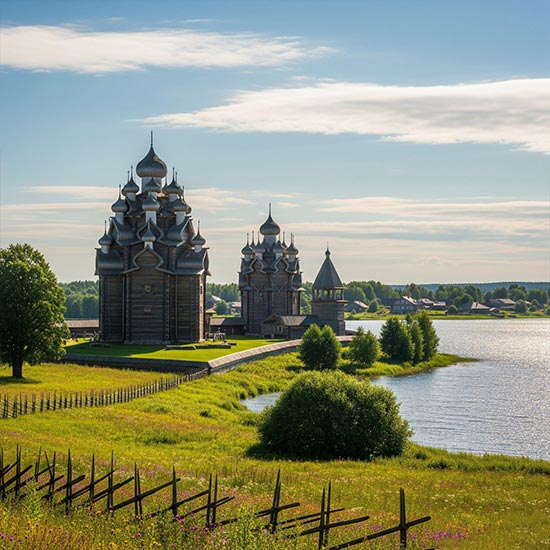
The undisputed star of the show is the Church of the Transfiguration. Built in 1714, this magnificent structure rises to a height of 37 meters (121 feet) and is crowned with an incredible 22 onion domes. It’s a building that seems to defy gravity, a cascade of timber and artistry that looks different from every angle. It’s a visual feast, a testament to the skill and ingenuity of its builders, and it’s unlike anything else you will ever see.
A Symphony in Wood: How It Was Built Without a Single Nail
The most mind-boggling fact about the Church of the Transfiguration is that it was built using a traditional joinery method, with no metal nails or iron fasteners whatsoever. The builders used an interlocking system of wooden logs, cut and shaped with incredible precision to fit snugly together. This technique, a hallmark of ancient Russian carpentry, allowed the structure to withstand centuries of harsh northern winters and the test of time. It’s a testament to the builders’ deep understanding of their materials and their immense patience. The church’s intricate shingled domes are a work of art in themselves, each shingle carefully carved and placed to create a breathtaking pattern.
The Church of the Intercession: A Humble Partner
Standing next to the Transfiguration Church is the smaller, but equally beautiful, Church of the Intercession. Built in 1764, this church serves as a “winter” church, as the larger Transfiguration Church, unheated, could only be used in the warmer months. With its nine elegant domes and a more compact design, it offers a beautiful contrast to its towering neighbor. Its presence completes the ensemble, creating a harmonious and visually stunning complex that has inspired artists and photographers for generations.
A Story of Restoration and Resilience
The structures on Kizhi Island have survived wars, revolutions, and the ravages of time. In the Soviet era, the island was designated a historical and architectural reserve, saving its priceless buildings from neglect. In recent years, a meticulous and long-term restoration project has been underway, ensuring that these masterpieces of Russian carpentry will be preserved for future generations. This process, often involving a return to the original, nail-free building techniques, is a testament to the dedication of the restorers who work tirelessly to keep this heritage alive.
The Bell Tower: A Sentinel Over the Lake
The third major structure within the Kizhi Pogost is the bell tower. A slender, graceful structure, it was rebuilt in the 1870s and provides a perfect vertical accent to the complex. Its bells, which have a unique, melodious tone, can be heard across the island, marking the hours and adding a sense of peaceful rhythm to the landscape. Climbing to the top offers a panoramic view of the entire island, a perfect vantage point from which to admire the artistry of the two churches.
Exploring the Island’s Wider Treasures
While the Kizhi Pogost is the main draw, the true magic of Kizhi lies in what you’ll find beyond its walls. The whole island is a museum, and every path leads to a new discovery.
Traditional Russian Villages: Life on the Island
As you wander across the island’s gentle hills, you’ll come across several villages that have been relocated here from other parts of Karelia to preserve them. These are not just staged exhibits; they are a window into a way of life that has largely disappeared.
Peasant Homes and Historic Life
You can step inside traditional peasant homes, built from huge logs and designed to keep the harsh northern cold at bay. Inside, you’ll see the simple, functional furniture, the large Russian stoves that were the heart of the home, and the tools of daily life. These homes tell a story of self-sufficiency, resilience, and a deep connection to the land and the surrounding forests.
Windmills and Granaries: The Agricultural Heritage
Scattered across the island are other buildings that speak to the region’s agricultural past: towering windmills with their large wooden blades and sturdy granaries where grain was stored. They remind us that before it was a tourist destination, Kizhi was a working community, its people relying on the land, the forests, and the lake for their livelihood.
The Kizhi Museum Reserve: Preserving a Priceless Past
The entire island operates as the Kizhi State Historical, Architectural, and Ethnographical Museum Reserve. The people who work here are more than just guides; they are the guardians of a priceless heritage.
Craftsmanship and Cultural Heritage
You’ll see artisans demonstrating traditional crafts, like woodcarving and weaving. They are the living links to the past, keeping these ancient skills alive. Watching a craftsman shape a piece of wood with the same tools and techniques as his ancestors is a truly humbling and inspiring sight. It’s a direct connection to the people who built the churches you’ve just admired.
Musical Instruments and Folk Traditions
Kizhi also has a strong focus on folk culture. You might hear the traditional sounds of the gusli (a Russian folk instrument), or see performances of traditional songs and dances. These cultural displays, set against the backdrop of the historic buildings, create an atmosphere that feels both authentic and deeply moving. It’s a chance to see and hear the soul of this region.
An Island of Serenity: The Natural Beauty of Lake Onega
The man-made wonders of Kizhi are complemented perfectly by its natural surroundings. The island itself is a place of peaceful beauty, surrounded by the clear, deep waters of Lake Onega.
A Northern Jewel: The Flora and Fauna
The island is covered in lush greenery, with walking paths that wind through fields of wildflowers and patches of northern forest. In summer, the air is filled with the scent of pine and the hum of insects. The lake itself is a vast expanse, dotted with other small islands, and its waters are home to a variety of fish. The sheer scale and quiet serenity of Lake Onega provide the perfect backdrop to the more intimate human creations on Kizhi. It’s a true escape from the noise and rush of the modern world.
Your Journey to Kizhi: A Practical Guide
Planning a trip to Kizhi Island requires a little bit of foresight, but it’s a very rewarding experience.
Getting There: A Scenic Water Journey
The journey to Kizhi is an adventure in itself. Most visitors travel from the city of Petrozavodsk, the capital of Karelia, by hydrofoil or “Meteor,” a high-speed vessel that skims across the surface of Lake Onega. The boat ride takes about an hour and a half and offers stunning views of the vast, open water and the forested coastline. Alternatively, you can take a multi-day cruise on a larger ship that stops at Kizhi and other points of interest on the lake.
When to Visit: Seasons and Spectacles
The most popular time to visit is during the summer months (June to August), when the weather is warm, the days are long, and the boats run frequently. The island is at its most vibrant during this time, with artisans demonstrating their crafts and folk music performances. However, if you’re a fan of snow and a quiet, almost spiritual atmosphere, a visit in winter when the lake is frozen and the churches are blanketed in snow is also a magical experience. Just be sure to check that winter transportation is available and that the museums are open.
Kizhi Island: More Than Just a Museum
In a world of constant change and fleeting trends, Kizhi Island stands as a powerful symbol of permanence, artistry, and tradition. It’s a place that teaches us that true beauty often lies in simplicity, that a deep connection to our past can enrich our present, and that the work of human hands, guided by skill and patience, can endure for centuries. It’s not just a collection of old buildings; it’s a monument to the human spirit, a place where history feels alive, and a journey that will leave you with a profound sense of awe and appreciation.
Frequently Asked Questions About Kizhi Island
1. How were the wooden churches on Kizhi Island built without nails?
The churches were built using a traditional Russian carpentry technique known as “log joinery.” The master builders used axes and other hand tools to carefully notch and interlock the massive logs, creating a stable and self-supporting structure. Wooden pegs, called nagels, were used in some places to secure the joints.
2. Can you go inside the churches on Kizhi Island?
Yes, you can go inside some of the churches and buildings on Kizhi Island. The interiors are often simple but can feature beautiful iconostasis (icon walls) and traditional artifacts. Visitors can also explore the peasant homes, granaries, and other structures that make up the open-air museum.
3. What is the best way to get to Kizhi Island?
The most common way to get to Kizhi Island is by taking a high-speed hydrofoil boat (known as a “Meteor”) from the city of Petrozavodsk on Lake Onega. The journey takes about 1.5 hours. Alternatively, some multi-day cruises on the lake include a stop at Kizhi.
4. How much time should I plan for a visit to Kizhi Island?
Most people visit Kizhi Island on a day trip from Petrozavodsk, which gives you about 4-5 hours on the island itself. This is enough time to see the main sights, walk around the villages, and watch some of the artisan demonstrations. However, a more leisurely visit might require staying nearby for a night or two.
5. Is Kizhi Island open year-round?
Kizhi Island is open year-round, but the main tourist season is in the summer (June-August). During the winter, the lake freezes over, and the only way to get to the island is by hovercraft or snowmobile, and the number of visitors is much smaller. It’s important to check the museum’s official website for seasonal opening hours and transportation options.