

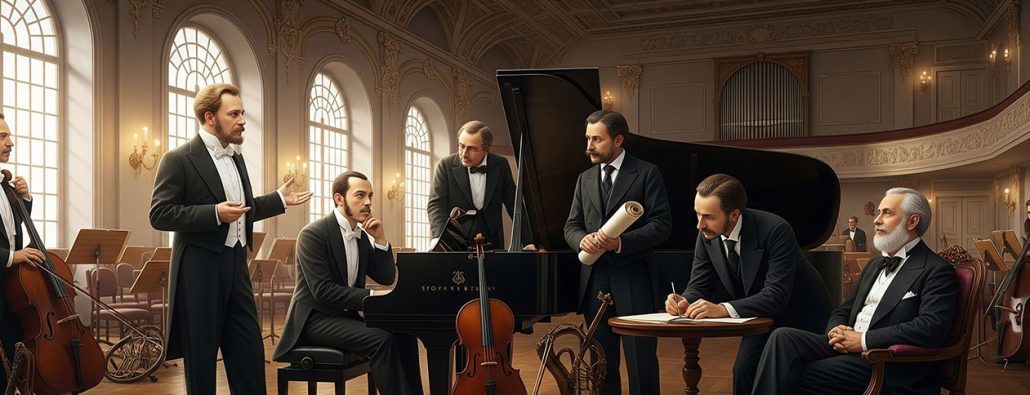
RUSSIAN MUSICIANS
FAMOUS AND GREATEST RUSSIAN MUSICIANS
The Symphony of a Nation: Exploring Russian Greatest Musicians
Musicians from Russia have long been a global powerhouse in the world of music, a cradle for legendary composers and performers whose works have transcended borders and captured the universal human experience. From the grandeur of romantic symphonies to the avant-garde spirit of the 20th century, these Russian artists have painted a rich and diverse tapestry of sound that continues to resonate with audiences worldwide. This journey into the heart of Russian music is an exploration of passion, innovation, and a profound artistic legacy.
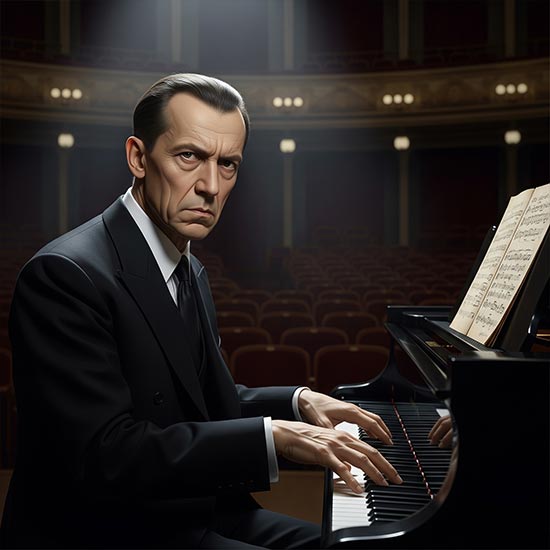
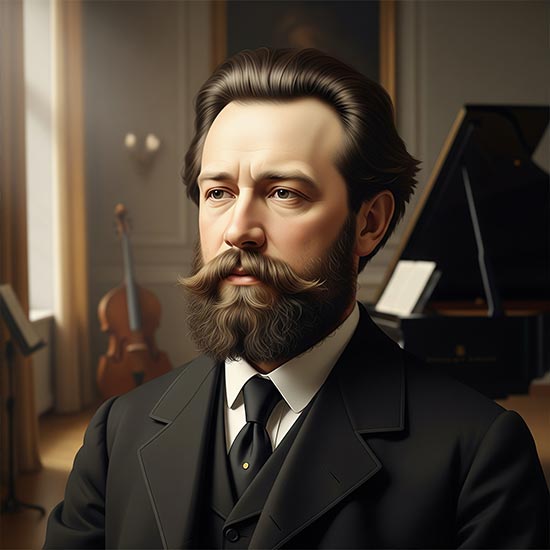
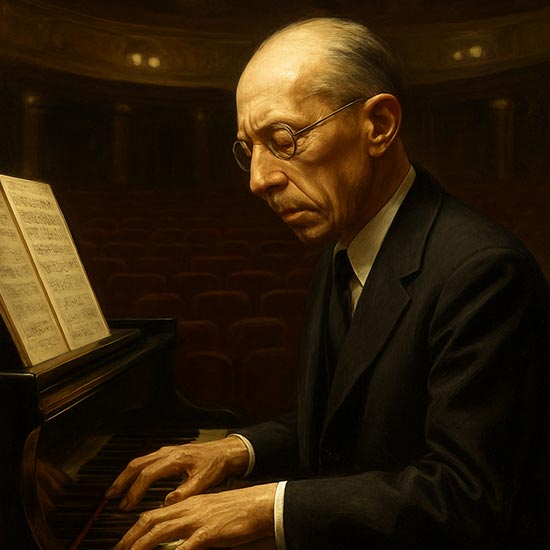
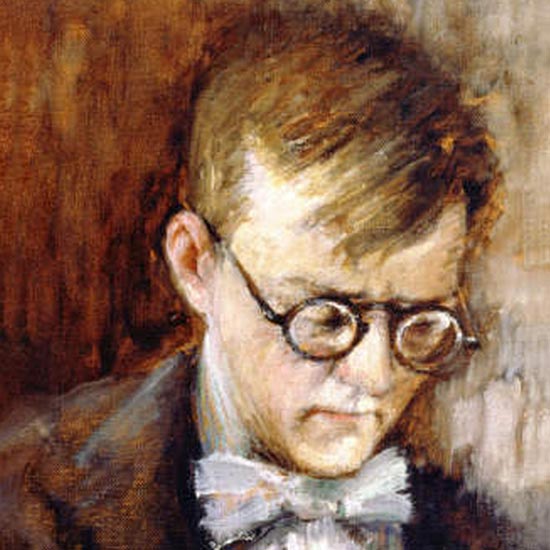
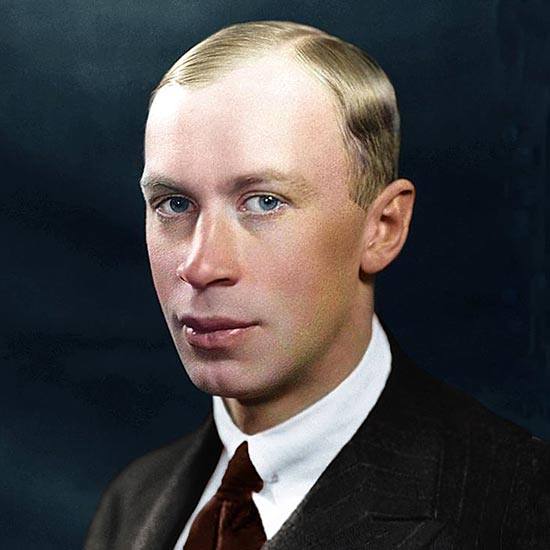
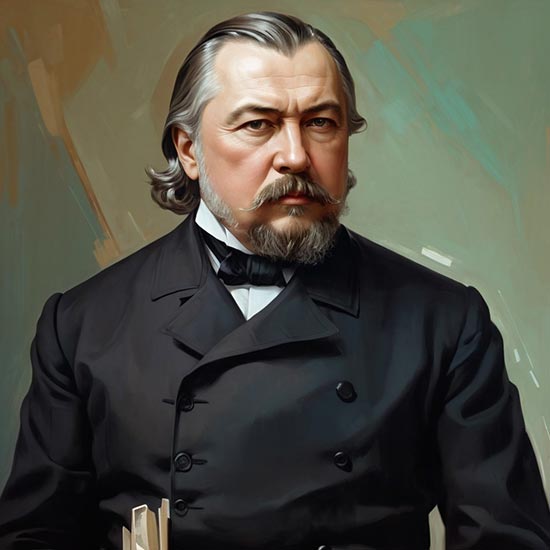
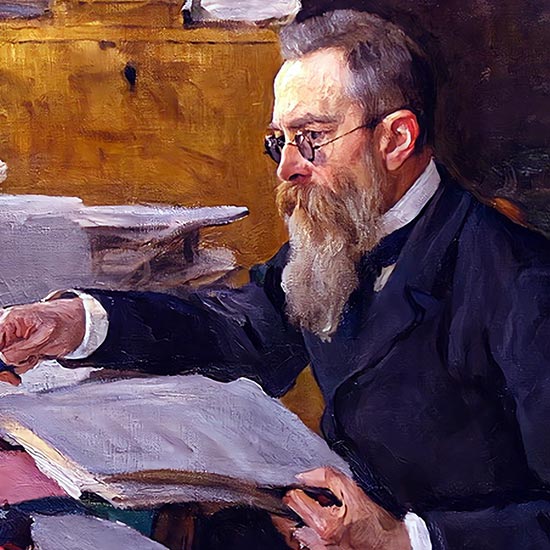
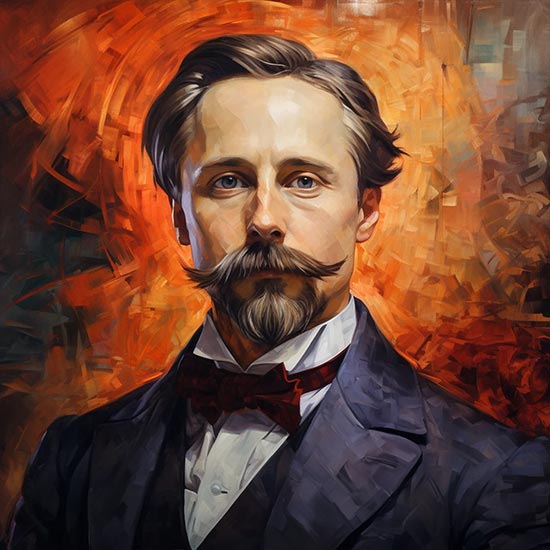
The Giants of the Romantic Era: A Legacy of Emotion and Melody
The 19th century is often hailed as the “Golden Age” of Russian music, a period dominated by composers who masterfully blended national folklore with the romantic traditions of Europe. At the forefront of this movement stood Pyotr Ilyich Tchaikovsky (1840-1893). A master of melody and emotional depth, Tchaikovsky’s works are celebrated for their dramatic power and unforgettable themes. His iconic ballets Swan Lake, The Nutcracker, and The Sleeping Beauty are not merely dances, but full-fledged narrative symphonies that have become staples of the global repertoire. His symphonies, concertos, and overtures, such as the 1812 Overture, are known for their raw emotional intensity and majestic scale.
Another titan of this era was Sergei Rachmaninoff (1873-1943). A true polymath, Rachmaninoff was not only a gifted composer but also one of the greatest pianists of all time. His music is characterized by its lush, sweeping melodies, rich harmonies, and a deep, melancholic beauty. His Piano Concerto No. 2 and Rhapsody on a Theme of Paganini are among the most beloved works in the piano literature, showcasing his extraordinary virtuosity and profound emotional expression.
The Trailblazers of the Modern Age: Breaking with Tradition
As the 20th century dawned, a new generation of Russian musicians emerged, challenging the conventions of classical music and forging their own unique paths. Igor Stravinsky (1882-1971) stands as a monumental figure in this transformation. His groundbreaking ballet scores, particularly The Firebird, Petrushka, and The Rite of Spring caused a sensation with their rhythmic complexity, daring harmonies, and innovative use of orchestration. Stravinsky’s work was a shock to the system, but it fundamentally altered the course of modern music.
Dmitri Shostakovich (1906-1975), a contemporary of Stravinsky, was a composer whose life and work were intertwined with the tumultuous political landscape of the Soviet Union. His symphonies and string quartets are powerful testaments to his genius, often conveying a sense of profound struggle, irony, and deep-seated human resilience. Shostakovich’s music, while often steeped in the emotional complexities of his time, is a universal reflection on suffering and hope, making him a deeply respected figure worldwide.
The Innovators and Storytellers: From Folk to Opera
Beyond the major figures, a constellation of other brilliant Russian composers contributed to the nation’s musical identity. Nikolai Rimsky-Korsakov (1844-1908) was a master of orchestration and a key member of The Mighty Handful a group of composers dedicated to creating a distinctively Russian style of music. His symphonic suite Scheherazade is a breathtaking example of his vibrant and colorful soundscapes.
Sergei Prokofiev (1891-1953) was a prolific composer known for his aural storytelling and a uniquely modern style. His works, including the ballet Romeo and Juliet and the children’s classic Peter and the Wolf, are full of wit, drama, and memorable melodies. Prokofiev’s versatility and distinctive voice have secured his place among the 20th century’s most celebrated composers.
The Legacy Continues
The influence of Russian musicians and composers is not confined to the past. Today, their works are performed in concert halls and opera houses around the globe, forming a cornerstone of the classical music repertoire. The power of their music lies in its ability to tell stories without words, to evoke deep emotion, and to connect us to a rich cultural heritage. By exploring the works of these musical geniuses, we not only appreciate their individual brilliance but also gain a deeper understanding of the enduring power of Russian art. Their contributions have forever enriched the global symphony, and their melodies will continue to inspire and move generations to come.