Gorky Park: Moscow’s Green Oasis of Art, Fun, and History
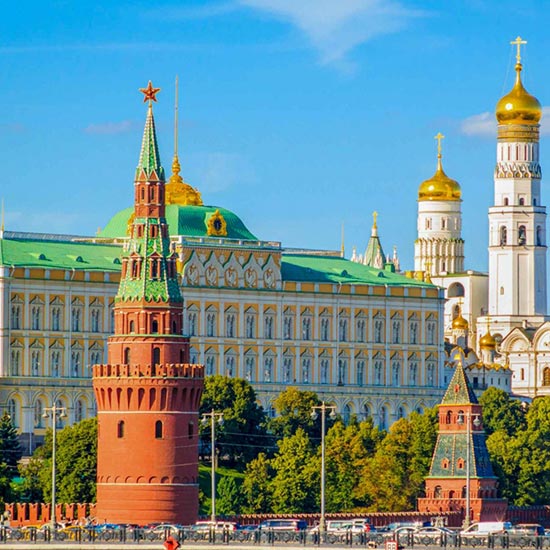
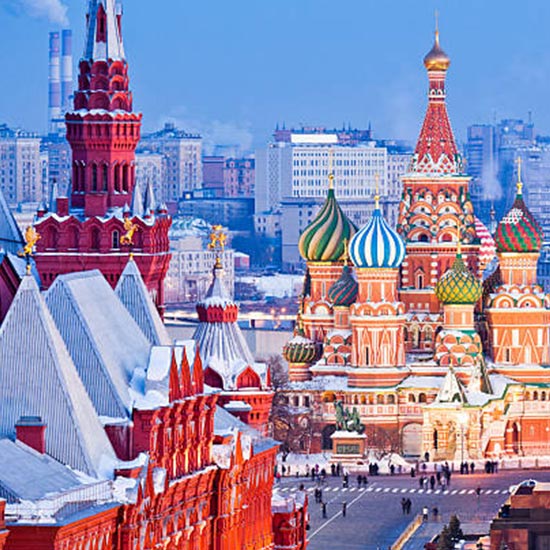
When you think of Moscow, what comes to mind? Maybe the Kremlin’s red walls, the colorful domes of St. Basil’s Cathedral, or the grand, bustling metro. But for me, and for millions of Muscovites, the true soul of the city is found in a sprawling green space along the Moscow River: Gorky Park. This isn’t just a park; it’s a living, breathing testament to the city’s past and present, a place that has undergone a remarkable transformation from Soviet icon to modern cultural hub.
More Than a Park: A Cultural Phenomenon
Gorky Park is a place where you can feel the pulse of Moscow. It’s a hub of activity, a serene escape, and an art gallery all rolled into one. It’s where families picnic on manicured lawns, young people gather for an afternoon of rollerblading, and art lovers stroll between exhibitions. It’s a place that perfectly encapsulates the city’s ability to reinvent itself, to take a symbol of a bygone era and make it relevant, exciting, and beautiful for a new generation. Think of it as Moscow’s main artery, pumping life and energy into the city every single day.
A Quick Look at Gorky Park’s Transformation
- Soviet Roots: Opened in 1928 as the “Gorky Central Park of Culture and Leisure,” a grand showcase of Soviet ideology and leisure.
- Post-Soviet Decline: Fell into disrepair and became a chaotic, commercialized space with dilapidated rides and unruly vendors.
- Modern Renaissance: Underwent a massive revitalization starting in 2011, restoring its beauty and transforming it into a world-class public space.
This journey from state-sponsored spectacle to a free, creative space is a fascinating story in itself, a reflection of Russia’s own recent history.
From Soviet Grandeur to Modern Marvel: A Park Reborn
To truly appreciate the Gorky Park of today, you have to understand the park of yesterday. Its history is a captivating tale of political ambition, social change, and human resilience.
The Soviet Era: The Park of Culture and Rest
The park, originally named after the famous Soviet writer Maxim Gorky, was a bold statement of the new Soviet state. It was designed to be a “model park,” a utopia of socialist leisure. The idea was to create a space that would be both entertaining and educational, a place where the Soviet “New Man” could relax and enjoy a healthy, cultured life. This was no ordinary park; it was a grand, theatrical production.
Propaganda and Leisure: A Grand Vision
In the 1930s, under the guidance of renowned avant-garde architect Konstantin Melnikov, the park was built to impress. There were grandiose fountains, elaborate pavilions, and a meticulously planned layout. It was a place of parades and physical culture demonstrations, showcasing the strength and vitality of the Soviet people. Think of it as a meticulously crafted stage where life and propaganda intersected, and every detail was designed to instill a sense of pride and collective purpose.
Rides, Parades, and the Pursuit of the “New Man”
For decades, Gorky Park was Moscow’s premier destination for fun. It was filled with carnival rides, a massive Ferris wheel, and countless attractions. The park hosted parades, concerts, and public lectures. It was a place where ordinary citizens could escape their everyday lives and feel part of a grand national project. This era is still remembered with a sense of nostalgic fondness by many older Muscovites who grew up within its grand, planned spaces.
The Post-Soviet Years: A Time of Decline and Revival
After the collapse of the Soviet Union in 1991, Gorky Park fell on hard times. State funding vanished, and the park became a chaotic mess of unregulated street vendors, rundown rides, and general neglect. It lost its sense of purpose and its a sense of grand design. The beautiful gardens were overgrown, the pavilions were in disrepair, and the grand vision had faded.
A Renaissance of Space and Spirit
But a new chapter began in 2011. A massive revitalization project was launched with the goal of returning the park to its former glory, but with a modern, democratic twist. All the old, rusty amusement park rides were dismantled, and the chaotic commercialism was replaced by a meticulously planned, aesthetically pleasing, and culturally rich public space. The designers embraced the park’s historical layout while adding contemporary features, turning it into the beautiful and functional urban oasis we see today.
A Playground for All Seasons: What to See and Do
The Gorky Park of today is a sprawling complex that offers something for everyone, regardless of the time of year. It’s a place where you can spend an entire day and still feel like you haven’t seen it all.
The Main Entrance: A Grand Welcome
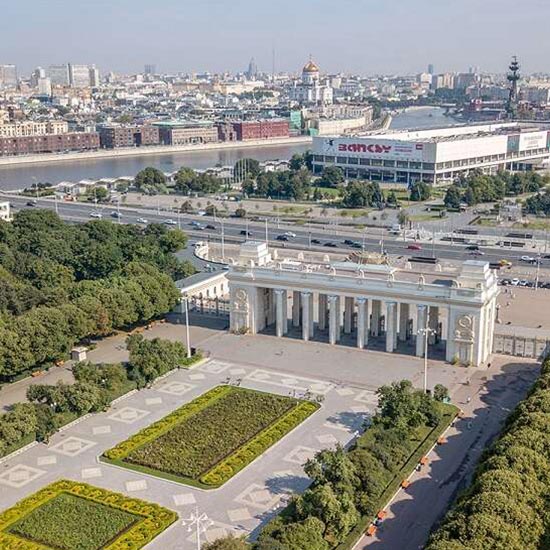
Your journey into the park begins with a sense of occasion. The main entrance is a magnificent triumphal arch, a restored Soviet-era masterpiece. It’s a grand welcome that sets the tone for the rest of your visit. It’s an architectural symbol of the park’s enduring spirit, a bridge between its past and its present.
The Gorky Park Museum: A Glimpse into the Past
Right inside the main entrance arch is the Gorky Park Museum. Here, you can learn about the park’s fascinating history through old photographs, historical documents, and artifacts. It’s a great place to start your visit, as it gives you a deeper appreciation for the space you’re about to explore.
Outdoor Recreation: Fun on the Embankment and Beyond
The park’s location along the Moscow River is one of its greatest assets. The vast, paved embankment is a hub of activity, a place for all kinds of outdoor fun.
Cycling, Rollerblading, and Boating on the Moscow River
You’ll see people on bicycles, rollerblades, skateboards, and scooters, all zipping along the wide paths. If you didn’t bring your own, no problem! There are numerous rental stands where you can rent equipment by the hour. You can also rent a paddleboat or a rowboat on the park’s ponds or take a scenic boat tour on the Moscow River. It’s an invigorating way to see the city from a different perspective.
Arts and Culture: Creativity Around Every Corner
Gorky Park isn’t just about physical activity; it’s a major cultural center. It’s a place where you can nourish your mind and soul, not just your body.
Garage Museum of Contemporary Art: A Modernist Gem
One of the park’s most famous institutions is the Garage Museum of Contemporary Art. Housed in a beautifully renovated Soviet-era cafeteria, designed by the legendary architect Rem Koolhaas, the museum is a stunning example of modern architecture and a must-visit for any art lover. It showcases both Russian and international contemporary artists, making it a crucial stop for anyone interested in the cutting edge of the art world.
The Open-Air Cinema and The Green Theatre
During the summer, the park’s open-air cinema screens classic and modern films under the stars. Imagine watching a movie on a warm summer night, surrounded by trees and the gentle sound of the river. It’s a magical experience. Nearby, the Green Theatre (Zelyony Teatr), a magnificent open-air amphitheater, hosts concerts and performances throughout the warmer months.
Winter Wonderland: The Park in a Snowy Blanket
If you think Gorky Park is only for summer, you’re missing out on half the magic. When the snow falls and temperatures drop, the park transforms into a breathtaking winter wonderland.
The World’s Largest Ice Rink
Every winter, the park’s main paths and ponds are flooded to create one of the largest ice rinks in the world. It’s a truly magnificent sight, with its intricate lighting and art installations. You can rent skates and glide for hours, listening to music, and sipping hot tea. It’s a quintessential Moscow winter experience, a memory you will cherish forever.
From Food Trucks to Fine Dining: Fueling Your Adventure
All that walking, skating, and exploring is bound to make you hungry, and Gorky Park offers an incredible array of food options to satisfy any craving.
Riverside Cafes and Posh Restaurants
You’ll find everything from a quick snack to a leisurely, multi-course meal. There are dozens of small kiosks selling delicious street food, from Russian pancakes (blini) to burgers and artisanal coffee. For something more substantial, there are a number of stylish cafes and restaurants with beautiful riverside views.
The “Central Embankment” and Other Eateries
The Central Embankment is lined with cafes that are perfect for a relaxing break. You can sit outside, watch the boats go by, and enjoy a coffee or a glass of wine. The park also has some more high-end restaurants for a truly special dining experience, offering everything from traditional Russian fare to international cuisine.
Finding Your Zen: Relaxing by the Ponds and Fountains
Even with all the activity, Gorky Park is also a place for quiet reflection. Its ponds, beautiful fountains, and manicured gardens are perfect for finding a moment of peace. You can rent a lounge chair by the pond and just relax, read a book, or simply watch the world go by. It’s a reminder that amidst the bustling city, there are still places to find tranquility.
Practical Tips for Your Journey
To make your trip to Gorky Park as smooth as possible, here are a few things to keep in mind.
Getting There and What to Expect
The park is very easy to get to, thanks to its central location. The most convenient way is to take the metro to the Park Kultury station (on the red or brown lines) or the Oktyabrskaya station (on the orange or brown lines). From there, it’s a short walk to the park’s main entrance. The park itself is huge, so wear comfortable shoes, and be prepared to do a lot of walking!
Entry Fees and Operating Hours
One of the best things about the park is that entry is free. You only need to pay for specific activities, like renting a bike, going to the museum, or using the ice rink in winter. The park is open 24 hours a day, so you can enjoy it at any time, but most of the cafes and attractions operate during the day and into the evening.
Gorky Park: The Beating Heart of Moscow
Gorky Park is more than just a place on a map; it’s a feeling, an energy, and a testament to the power of public space. It’s a place that has seen it all, from the grand spectacles of the Soviet era to a period of decline, and finally to a brilliant, vibrant renaissance. It shows us that a park can be so much more than trees and grass it can be a cultural institution, a historical document, and a place where people connect. So, when you’re in Moscow, do yourself a favor: step away from the historical landmarks and into the heart of the city. You’ll find it beating strongly in Gorky Park.
Frequently Asked Questions About Gorky Park
1. Is Gorky Park the same as the park from the famous song?
Yes, the song “Wind of Change” by the Scorpions mentions “the wind of change blowin’ straight into the face of a new generation” and “the Gorky Park.” The song was released in 1990, just before the fall of the Soviet Union, and the park was seen as a symbol of the political changes happening in the country.
2. Are the famous rides and Ferris wheel still in Gorky Park?
No, the old Soviet-era amusement rides and the Ferris wheel were all dismantled during the park’s 2011 revitalization. The new park focuses on open, free spaces and a different kind of cultural and recreational experience, rather than traditional amusement park attractions.
3. Is Gorky Park free to enter?
Yes, entry to Gorky Park is completely free. You only have to pay for specific attractions, like renting a bicycle or attending a special event or exhibition inside one of its museums.
4. What is the best way to get around the park?
The best way to get around Gorky Park is by walking, but you can also rent bicycles, scooters, or rollerblades to cover more ground. The park is quite large, so having wheels can be a fun and efficient way to explore everything it has to offer.
5. Is the ice rink in Gorky Park open all year?
No, the ice rink in Gorky Park is a seasonal attraction. It is created by flooding the main pathways and ponds and is only open during the winter months, typically from late November or early December until late February or early March, depending on the weather.