
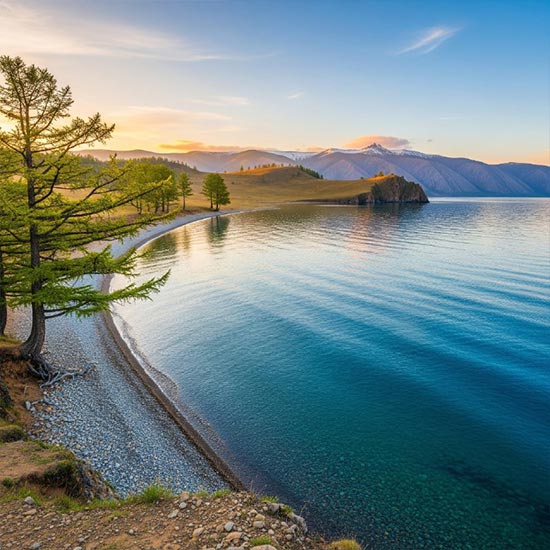
Lake Baikal: The Deepest Secret of Siberia
Have you ever wondered what it would be like to stand on the edge of a body of water so vast and ancient that it feels like a living, breathing entity? Welcome to Lake Baikal, the crowned jewel of Siberia and a natural wonder that defies imagination. Located in the heart of Russia, this isn’t just a lake; it’s a geological time capsule, a biodiversity hotspot, and a spiritual sanctuary all rolled into one. If you’re looking for a destination that offers raw, untouched beauty and a sense of profound scale, Baikal should be at the very top of your list.
What Makes Lake Baikal So Unique?
Baikal holds several mind-boggling titles that set it apart from every other lake on Earth. For starters, it’s the world’s deepest lake, plunging to a staggering depth of 1,642 meters (5,387 feet). But that’s not all it also holds approximately 20% of the world’s unfrozen freshwater, a staggering statistic that makes you realize just how significant this body of water is. Imagine a fifth of all the fresh water on the planet contained in a single location! It’s also considered the world’s oldest lake, with an estimated age of 25–30 million years. This incredible age has allowed for the evolution of a unique ecosystem that you won’t find anywhere else.
A Quick Look at the Lake’s Fascinating Stats
To truly grasp the magnitude of Baikal, let’s look at some numbers:
- Maximum Depth: 1,642 meters (5,387 feet)
- Surface Area: 31,722 km² (12,248 sq mi), roughly the size of Belgium.
- Volume: 23,615 km³, which is more water than all of the North American Great Lakes combined.
- Water Transparency: Up to 40 meters in some areas, making it incredibly clear.
- Age: 25-30 million years old.
These statistics aren’t just numbers; they tell a story of a place that has endured for millions of years, quietly shaping the landscape and nurturing life within its depths.
How Was This Colossal Lake Born?
The story of Lake Baikal’s creation is a dramatic one, involving the slow but powerful dance of tectonic plates. It wasn’t formed by glaciers or a meteorite impact, but rather by the very foundation of the Earth itself.
The Great Baikal Rift Valley
Lake Baikal sits squarely in the middle of a massive continental rift, known as the Baikal Rift Zone. This is where the Eurasian Plate is slowly pulling away from the Amurian Plate. Think of it like a giant crack in the Earth’s crust that is gradually widening and deepening over millions of years. This rifting process created a deep, elongated basin, which eventually filled with water. It’s a geological process that’s still happening today, with small earthquakes occurring regularly around the area, a subtle reminder of the immense forces at play.
A Tectonic Masterpiece in Motion
This ongoing tectonic activity is precisely why Baikal is so deep and so old. As the rift widens, the basin continues to sink, allowing the lake to deepen over time. It’s a living geological marvel, a testament to the slow but unstoppable power of plate tectonics. The surrounding mountains, like the Baikal Mountains and the Barguzin Range, are also a result of this same process, rising up as the rift sinks down.
An Ecosystem Unlike Any Other
Because of its ancient origins and extreme isolation, Lake Baikal is a biological treasure trove. It’s often referred to as the “Galapagos of Russia” for a good reason its unique conditions have allowed for the evolution of thousands of endemic species.
Endemic Species: Nature’s Exclusive Club
Over 80% of the species found in Lake Baikal are endemic, meaning they exist nowhere else on Earth. This includes over 1,500 animal and plant species, from tiny crustaceans to freshwater seals. This incredible level of biodiversity is a direct result of the lake’s long history and stable environment. The water is exceptionally oxygenated, even at great depths, allowing life to flourish throughout the entire water column.
The Baikal Seal: A Freshwater Enigma
Perhaps the most famous resident of Baikal is the Baikal seal (Pusa sibirica), also known as the nerpa. It is the only exclusively freshwater seal in the world. How a marine mammal ended up in the middle of Siberia is a question that has baffled scientists for years. The most widely accepted theory is that they migrated from the Arctic Ocean via an ancient waterway system and became isolated as the climate changed. Seeing these adorable, sleek creatures sunbathing on the ice in winter is an unforgettable sight.
The Baikal Omul: A Prized Delicacy
Another key player in the Baikal ecosystem is the Baikal omul (Coregonus migratorius), a species of whitefish highly prized for its flavor. It’s a staple of the local diet and a cornerstone of the regional economy. The omul’s population has faced challenges due to overfishing and climate change, leading to stricter regulations to protect this valuable resource.
More Than Just Water: A Cultural and Spiritual Hub
Beyond its natural wonders, Lake Baikal is deeply intertwined with the cultural and spiritual lives of the people who live around it. It is a sacred place, revered by indigenous groups for centuries.
Ancient Roots and Indigenous Peoples
The region around Baikal has been inhabited for thousands of years. Archaeological evidence points to ancient nomadic tribes, including the ancestors of the modern-day Buryat people. These groups have a deep, spiritual connection to the lake, viewing it as a powerful, living deity.
Buryat Culture: The Guardians of the Lake
The Buryat people, a large indigenous group in Siberia, have a particularly strong relationship with Baikal. Their culture is rooted in shamanism and they believe the lake is a sacred place inhabited by spirits. They perform rituals and ceremonies to honor the lake and its spirits, and their traditional way of life is still deeply connected to its rhythms. You’ll often see colorful prayer flags (khadags) and offerings at sacred sites around the lake, a visual testament to this enduring spiritual bond.
Exploring the Wonders of Baikal
Thinking of visiting? You’re in for a treat. Baikal is an adventurer’s paradise, offering a different kind of magic in every season.
Year-Round Adventures: A Seasonal Guide
The best time to visit depends entirely on what you want to experience. Baikal transforms dramatically between summer and winter, offering two completely different but equally spectacular journeys.
Winter Wonderland: The Magic of Baikal’s Ice
From late January to early April, Lake Baikal freezes over, creating one of the most incredible natural ice rinks on the planet. The ice is so thick and clear that you can see the bottom of the lake in some areas, and the frozen bubbles trapped beneath the surface create a surreal, otherworldly landscape. This is the prime time for ice skating, ice trekking, and even driving on the ice roads that connect different parts of the lake. The shimmering, turquoise-blue ice formations, known as “hummocks,” look like natural sculptures created by the wind and pressure. It’s a photographer’s dream.
Summer Splendor: Hiking, Boating, and More
In summer, the ice melts away, revealing a pristine, deep-blue lake surrounded by lush green forests and towering mountains. This is the season for hiking the Great Baikal Trail, which offers stunning views of the coastline. You can also go kayaking, boating, or take a scenic cruise. The famous Circum-Baikal Railway, a historic train line that hugs the southern shore, offers a nostalgic and breathtaking journey through tunnels and over bridges.
Olkhon Island: The Heart of Baikal’s Charm
A trip to Baikal is incomplete without visiting Olkhon Island, the largest island in the lake. It is considered a sacred center of shamanism and is home to the stunning Shamanka Rock (also known as the Shaman’s Rock), a powerful and iconic landmark. The island’s landscape is a mix of sandy beaches, rocky cliffs, and pine forests, making it a perfect microcosm of Baikal’s diverse beauty.
Protecting a Global Treasure
As a UNESCO World Heritage Site, Lake Baikal is recognized for its “outstanding universal value.” However, it faces numerous threats, including pollution from industrial activity, climate change, and unsustainable tourism practices. Efforts are underway to protect this fragile ecosystem. The Russian government and various environmental organizations are working to improve water quality, regulate fishing, and promote sustainable tourism to ensure that Baikal’s magic endures for generations to come.
Why Baikal is More Than Just a Lake
Lake Baikal is a geological marvel, an ecological sanctuary, and a cultural touchstone. Its sheer size and age give it a profound sense of timelessness. It’s a place that humbles you, reminding you of the incredible power and beauty of the natural world. Whether you’re drawn by its deep, mysterious waters, its unique wildlife, or its rich cultural heritage, Baikal is an experience that will stay with you long after you’ve left its shores. It’s not just a lake; it’s a profound connection to the Earth’s history and a testament to the enduring power of nature.
Frequently Asked Questions About Lake Baikal
1. Is Lake Baikal saltwater or freshwater?
Lake Baikal is a freshwater lake. It contains approximately 20% of the world’s unfrozen freshwater, making it a critical global resource.
2. How cold is the water in Lake Baikal?
The water temperature in Lake Baikal is extremely cold. The surface temperature in summer can reach up to 15°C (59°F), but the deeper layers remain near freezing, around 4°C (39°F), throughout the year.
3. Can you swim in Lake Baikal?
Yes, you can swim in Lake Baikal during the summer months, but be prepared for cold water! The most popular swimming spots are in shallow bays, where the water warms up slightly.
4. How do the Baikal seals live in freshwater?
The Baikal seals (nerpa) are believed to be an isolated population of Arctic seals that migrated to the lake millions of years ago. They have adapted to their freshwater environment, and their physiology is perfectly suited for the lake’s deep, oxygen-rich waters.
5. Is it safe to drink the water from Lake Baikal?
Historically, the water from Baikal was so clean that it was safe to drink directly from the lake. While certain areas are still pristine, it’s always recommended to filter or purify water before drinking due to potential localized contamination, especially near populated areas.