Red Square: The Beating Heart of Russia
Have you ever wondered what it feels like to stand in the very center of a nation’s history? To be in a place where centuries of momentous events from royal parades and executions to military marches and rock concerts have unfolded? That place, my friend, is Red Square in Moscow. More than just a public space, it’s a vibrant stage where Russia’s past, present, and future collide. But why is it called “Red Square,” and what secrets do its iconic landmarks hold? Let’s take a stroll through this legendary plaza and uncover its incredible story.
What Makes Red Square So Special?
Before we dive into the sights, let’s understand why this particular square holds such immense significance. It’s not just big; it’s a global icon.
The Name’s Real Meaning
You might think Red Square got its name from the red-brick walls of the Kremlin that border it, or perhaps from the blood spilled during its more dramatic moments in history. But the truth is much more poetic and less literal. The Russian word for “red,” krasnaya, used to mean “beautiful” or “beautiful” in Old Russian. So, the name actually translates to “Beautiful Square.” The name wasn’t officially adopted until the 17th century, but the sentiment behind it perfectly captures the square’s grandeur and importance as the heart of Moscow.
A Stage for History
Think of Red Square as a giant, open-air theater. For centuries, it has been the main stage for Russia’s most significant public events. Tsars announced their decrees from here, military parades showcased the nation’s might, and political rallies marked major shifts in power. It’s a place that has witnessed everything from the coronation of tsars to the public speeches of Soviet leaders. To stand here is to stand on a ground soaked in the very essence of Russian history.
The Iconic Landmarks of Red Square
Every side of Red Square is a postcard, but each landmark has its own unique story. Let’s explore the most famous ones.
St. Basil’s Cathedral: A Fairytale in Stone
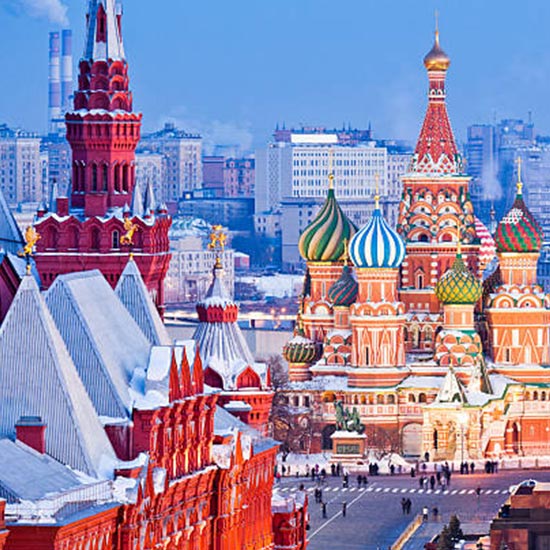
Without a doubt, the most famous image associated with Russia is the vibrant, kaleidoscopic domes of St. Basil’s Cathedral. It looks like something straight out of a whimsical fairytale, and its history is just as captivating. Built in the mid-16th century by order of Ivan the Terrible to commemorate his capture of Kazan and Astrakhan, its official name is the Cathedral of the Intercession of the Most Holy Theotokos on the Moat. The colorful, twisted domes are a unique architectural style that has mesmerized visitors for centuries.
The Legend of the Architect’s Eyes
A popular, though likely apocryphal, legend says that Ivan the Terrible was so awestruck by the cathedral’s beauty that he had the architects, Postnik and Barma, blinded so they could never create anything so magnificent for anyone else. While the story is gruesome, it speaks to the profound impact of the cathedral’s design. In reality, historical records suggest the architects were not blinded and even went on to build other churches. But the legend adds to the mystical aura of this incredible structure.
Inside St. Basil’s Cathedral
Despite its exterior grandeur, the inside of St. Basil’s Cathedral is a maze of small, interconnected chapels, each dedicated to a different saint. It’s not a single, cavernous space but rather a series of intimate, elaborately decorated rooms. Walking through its narrow corridors feels like exploring a different world, with intricate frescoes and iconostases adorning the walls. It’s a truly humbling experience.
The Kremlin Walls and Towers
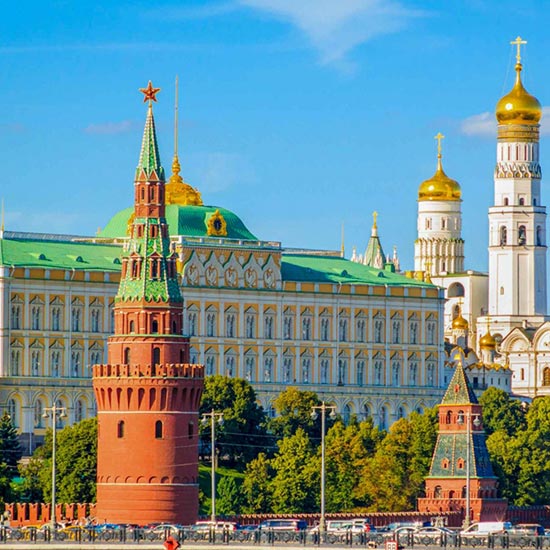
Lining the western side of Red Square are the imposing red-brick walls and towers of the Kremlin, the very heart of the Russian government. These walls are not just a physical barrier; they are a symbol of power, authority, and centuries of history.
The Spasskaya Tower
The Spasskaya Tower is the most famous of the Kremlin’s towers and the main gate to Red Square. Its magnificent clock, which chimes the hours and plays the Russian national anthem, is an iconic part of the square’s daily rhythm. The tower itself is a masterpiece of 15th-century architecture, with its towering spire and intricate star.
The Kremlin Wall Necropolis
Below the Kremlin wall, you’ll find the Kremlin Wall Necropolis, a solemn burial ground for prominent Soviet figures. This includes the graves of leaders like Leonid Brezhnev and Joseph Stalin, as well as other notable figures. It serves as a reminder of the Soviet era’s dominance and its lasting legacy.
Lenin’s Mausoleum
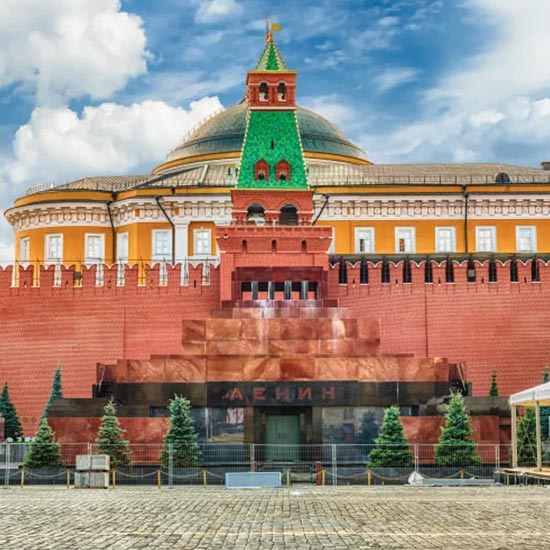
Located directly in front of the Kremlin wall is Lenin’s Mausoleum, a stark, pyramid-like structure that houses the embalmed body of Vladimir Lenin, the founder of the Soviet Union. The mausoleum is a powerful and somewhat unsettling symbol of the past.
A Controversial Resting Place
The very existence of Lenin’s Mausoleum is a subject of ongoing debate in Russia. Some see it as a sacred tribute to a historical leader, while others view it as an outdated symbol of a repressive regime. It’s a fascinating, if a little macabre, glimpse into a past that still has a strong grip on the present.
GUM: A Soviet Shopping Palace
On the opposite side of the square from the Kremlin is GUM (pronounced goom), the State Department Store. This building is a marvel in itself, with a stunning glass roof, beautiful arches, and three parallel galleries spanning the entire length of the square.
From a Bazaar to a Boutique Mall
Originally a vibrant marketplace, it was transformed into a state-run department store during the Soviet era. Today, GUM is a luxurious shopping mall filled with high-end boutiques and designer brands. But even if you’re not there to shop, it’s worth a visit just to admire the incredible architecture, grab some delicious ice cream from a famous vendor, and soak in the atmosphere.
The State Historical Museum
The northern end of Red Square is anchored by the magnificent State Historical Museum, a striking red-brick building with two twin towers that perfectly complements the Kremlin walls. Inside, the museum’s vast collection takes you on a journey through the entire span of Russian history, from ancient times to the present day. It’s a must-visit for anyone who wants to understand the country’s rich and complex past.
Red Square Through the Ages
To truly appreciate Red Square, you have to understand how it has evolved over time.
From a Marketplace to a Parade Ground
In its early days, Red Square was a bustling marketplace, a hub of commerce and public life. It was where people came to trade goods, hear the latest news, and witness public announcements. Over time, it grew in importance, becoming a place for royal ceremonies and, at times, public punishment. The famous Lobnoye Mesto, a round stone platform, was used for proclamations and, in some cases, executions.
The Soviet Era: A Symbol of Power
During the Soviet era, Red Square took on a new, more political role. It became the primary location for military parades, especially the grand May Day and Victory Day parades. These were massive, highly choreographed events designed to showcase Soviet military might to the world. The square’s open space was perfect for displaying tanks, missiles, and thousands of marching soldiers, turning it into a powerful symbol of the communist state.
Today: A Hub of Tourism and Culture
Since the fall of the Soviet Union, Red Square has transformed yet again. While it still hosts the annual Victory Day parade, it has largely shed its political symbolism and embraced its role as a cultural and tourist hub. Today, you’re more likely to see international visitors taking photos, families enjoying the ice rink in the winter, or a stage set up for a concert. It has become a place of celebration, a symbol of a more open and modern Russia.
Experiencing Red Square: Tips for Visitors
Planning to visit Red Square? Here are a few things to keep in mind to make your experience unforgettable.
What to See and When to Go
Red Square is beautiful at any time of day, but it truly comes alive at night when all the buildings are illuminated. The winter, when a giant ice rink takes over the square and the GUM building is draped in twinkling lights, is especially magical. Try to visit early in the morning to avoid the largest crowds, especially if you plan to visit a major attraction like Lenin’s Mausoleum (which has limited opening hours).
Essential Tips for Your Visit
Be prepared to go through security screenings to enter the square, and remember that it can be closed for rehearsals or events, especially around major holidays. Wear comfortable shoes, as you’ll be doing a lot of walking. And don’t forget to bring your camera the photo opportunities here are endless!
Conclusion: More Than Just a Square
Red Square is more than just a big, empty space in the middle of a city. It’s a palimpsest, a document with layers of history written on top of one another. From its early days as a simple marketplace to its current status as a world-renowned landmark, it has absorbed the triumphs, tragedies, and transformations of a nation. It is where you can see the fairytale domes of St. Basil’s, the powerful walls of the Kremlin, and the modern luxury of GUM, all in one breathtaking view. When you stand in Red Square, you’re not just looking at history; you’re standing in it.
Frequently Asked Questions (FAQs)
Is there an entry fee for Red Square?
No, there is no entry fee to walk around Red Square itself. It is a public space. However, many of the surrounding buildings and attractions, such as St. Basil’s Cathedral, the State Historical Museum, and Lenin’s Mausoleum, do have their own entry fees or limited visiting hours.
What is the best time of day to visit?
For the best photos and to avoid crowds, try visiting in the early morning. To see the square at its most magical, go at night when the buildings are beautifully lit up. Visiting during the winter holidays is also a special experience, with the large ice rink and festive decorations.
How long should I spend at Red Square?
You could spend anywhere from 30 minutes to an entire day in and around the square. To simply walk around and take in the sights, an hour is enough. If you plan to visit a museum or cathedral, you should allocate more time, perhaps two to four hours, depending on your interests.
Are there any events held in the square?
Yes, Red Square is still a major venue for public events. It hosts the annual Victory Day Parade on May 9th, and during the winter months, a large ice rink and Christmas market are set up. It also occasionally serves as a concert venue.
What’s the best way to get there by public transport?
The easiest way to get to Red Square is by using the Moscow Metro. The closest stations are Okhotny Ryad (Red Line), Teatralnaya (Green Line), and Ploshchad Revolyutsii (Blue Line). All of these are just a short walk away from the square’s main entrance.